
Best Outdoor Materials for Seattle’s Climate
Weatherproof Your Home in Seattle
1. Weather-Resistant Outdoor Materials for Decks & Porches
Composite/PVC decking holds far less water than wood, reducing swell, warp, and rot—ideal for wet climates. If you prefer wood, keep cedar/ipe above grade and maintain finishes. TimberTech+1
Use hidden fasteners or grooved boards that don’t trap water; mind slip resistance on smooth composites. Wood and Beyond
Quick tip: Vent the framing and keep end-grain sealed to slow moisture uptake.
Quick Tip:
Catching small issues early can prevent leaks that cost thousands to repair.
2. Best Outdoor Materials in Seattle for Siding & Walls
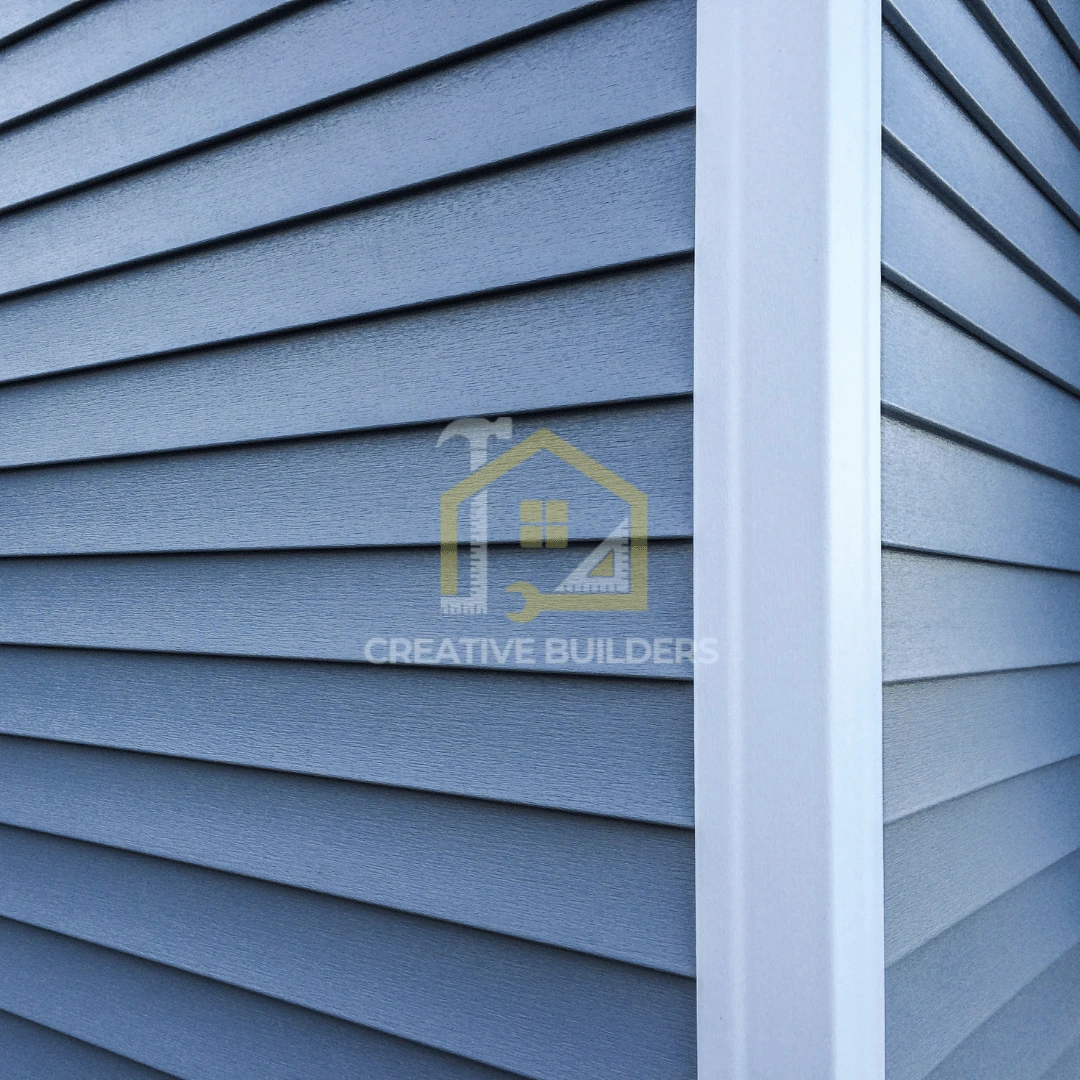
Fiber-cement siding (e.g., James Hardie) — highly moisture-, rot-, and pest-resistant, stable in temperature swings, and ideal for the PNW Outdoor Building Materials toolbox.
Rainscreen assembly — cladding over WRB + flashing + a ventilated gap so walls drain and dry after wind-driven rain (the core of Weather-Resistant Outdoor Materials).
High-exposure flashing details — kick-out flashing at roof-to-wall, pan/head flashing at windows/doors, and sealed penetrations to stop hidden leaks.
Corrosion-smart fasteners — stainless or HDG nails/screws with compatible trim and accessories for long service life in Seattle’s damp air.
Why it matters:
Pairing fiber-cement with a true rainscreen turns good products into a system—your cladding sheds water while the wall dries out, cutting mold/rot risk and extending finish life. One solid primer on rainscreens: building science basics (search “Building Science rainscreen”).
3. PNW Outdoor Building Materials: Fasteners & Connectors
In a wet, salty climate, fasteners are part of the Best Outdoor Materials for Seattle’s Climate.
Use 316 stainless near marine exposure and shaded/damp zones; 304 stainless or G185 hot-dip galvanized works inland.
Keep metals compatible (no aluminum on bare steel) or isolate with gaskets/tapes to prevent galvanic stains.
For decks, add joist flashing tape and seal end-grain so Weather-Resistant Outdoor Materials actually last.
Pro tip: Match the fastener to the framing hardware—stainless with stainless, HDG with HDG.
One solid reference: Simpson Strong-Tie corrosion guidance
4. Hardscape & Paths: Drainage First, Material Second
For Best Outdoor Materials in Seattle, performance comes from the assembly:
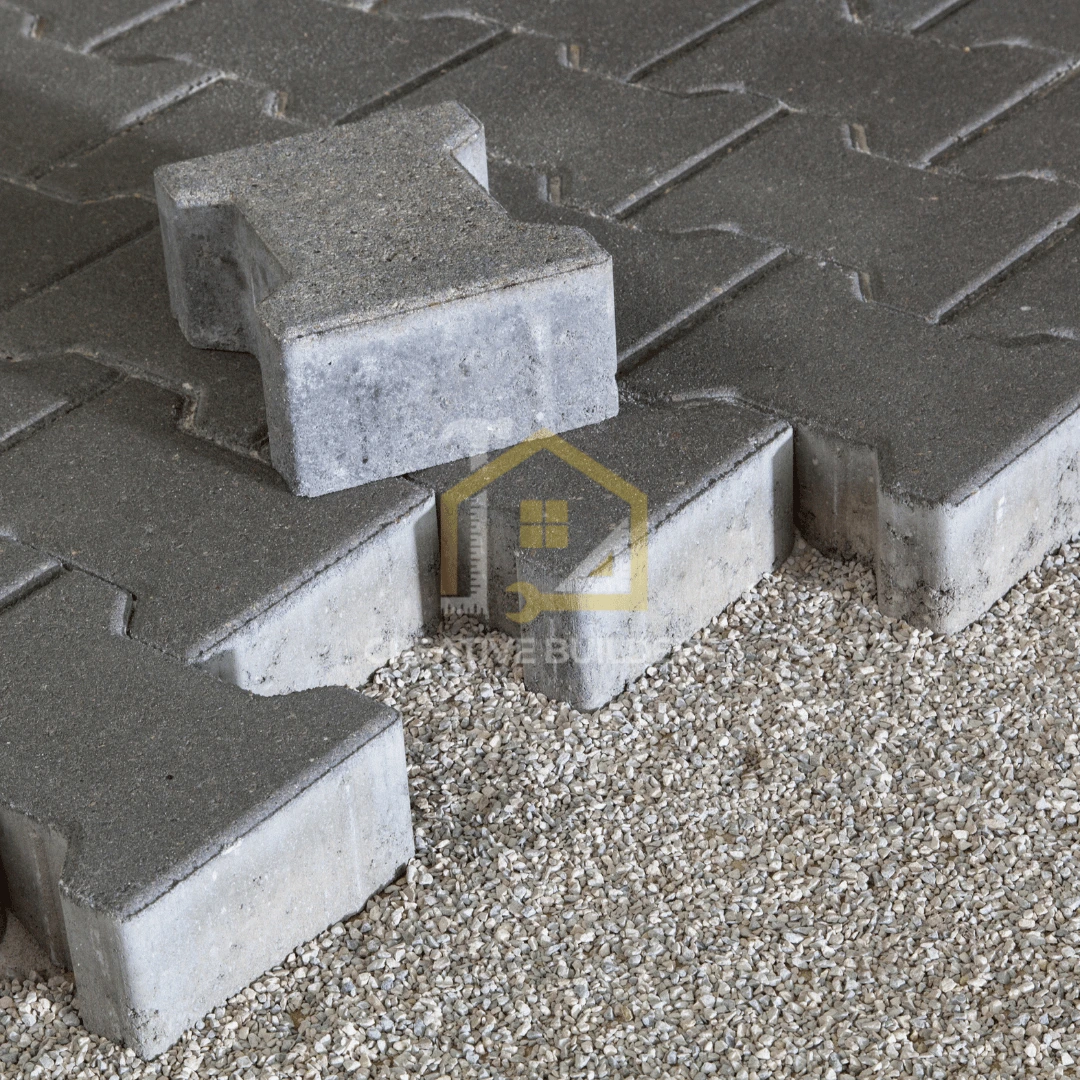
Build a compacted, well-drained base with geotextile; slope surfaces ~2% away from the house.
Choose permeable pavers or open-graded bases to move water; for concrete, specify air-entrainment and cut control joints on time.
Use textured finishes for traction, edge restraints at paver perimeters, and tie downspouts to drains so water doesn’t dump onto slabs.
Pro tip: If the base holds water before surfacing, fix it—no PNW Outdoor Building Materials will overcome a soggy foundation.
5. Structures, Pergolas & Trim
Choose cedar or aluminum for pergolas and exterior trim; factory-finished aluminum avoids rot, while cedar offers natural durability with regular sealing.
Integrate flashing, caps, and drip edges wherever wood meets masonry or roofing to keep end-grain dry. buildingscience.com
Quick tip: Where power or heat is added (fans/heaters), route wiring in rated, corrosion-resistant conduit and seal penetrations through WRB.
Choose Creative Builders to Transform Your Home
Seattle’s long wet season rewards systems that shed water, dry fast, and resist corrosion. With our focus on the Best Outdoor Materials for Seattle’s Climate, we combine product choice with smart details (WRB, flashing, ventilation) so your exterior lasts longer and looks better. Here’s how we apply the Best Outdoor Materials in Seattle across your home:
Roof & Gutters: Specify weather-resistant outdoor materials—algae-resistant shingles, stainless/HDG fasteners, oversized gutters, and clear downspouts—to move water away reliably.
Siding, Windows & Doors: Pair durable cladding (e.g., fiber-cement) with a ventilated rainscreen, sealed penetrations, and high-performance flashing—our go-to PNW outdoor building materials assembly.
Foundation & Drainage: Grade to daylight, add perimeter drains/French drains, and protect interfaces with capillary breaks so the best outdoor materials aren’t undermined by standing water.
Interior Comfort: Air-seal and insulate strategic zones (attic, rim joists) and balance ventilation to keep interiors dry and energy-efficient through the “big dark.”
With Creative Builders, you get material choices and assemblies engineered for the PNW—no fluff, just weather-smart construction that holds up in real Seattle conditions.
Want to Get Started?
Reach out to Creative Builders to schedule a free consultation. We’d be happy to customize trend-focused design ideas or provide cost estimates for your project goals.
Let’s Work On Your Dream Project
Contact Creative Builders today for a free consultation!
Our Blog
- All
- Bathroom Remodel
- Bedroom Remodeling
- DIY vs Contractor
- Fire Place Remodel
- Flooring Contractor
- Flooring Remodel
- General Contractor
- Home Office Remodel
- Home Remodel
- Home Remodeling
- Home Weatherproof
- Insulation Efficiency
- Kitchen Cabinetry
- Kitchen Remodel
- Kitchen Remodeling
- Mistakes to Avoid
- Neighborhoods in Seattle
- Outdoor Remodel
- Pergola Installation
- Pros & Cons
- Remodeling Articles
- Remodeling Contractor
- Remodeling TIps
- Room Addition
- Small Bathroom Remodel
- Suite Addition
- Washington Remodel
- Winter Proof Home
- Wood Flooring

DIY vs Hiring a Remodeling Contractor Thinking through DIY vs hiring a remodeling contractor isn’t just about labor costs. It’s...
5 Low-VOC Paints: Why They Matter Choosing Low-VOC paints is one of the fastest, highest-impact ways to improve indoor air...
5 Insulation Tips for Energy Efficiency In Seattle’s climate, proper insulation for energy efficiency is crucial. Not only does it...

5 Smart Home Technology Upgrades During Remodeling Remodel time is the perfect moment to hard-wire the brains of a smart...

8 Benefits of Hiring a Local Seattle Contractor Local Seattle contractor advantages go beyond convenience they directly impact permit speed,...
5 Questions to Ask Before Hiring a Contractor Smart Homeowners Start Here Hiring a contractor isn’t just about the lowest...
5 Must-Know Pros & Cons of Basement Remodeling Pros & Cons of Basement Remodeling: If you’ve got unused square footage...
5 Essential Steps for Planning a Guest Suite Addition Zoning, Permits & Utilities: The Seattle Checklist Planning a Guest Suite...
Carpet vs Wood Flooring for Bedrooms Carpet vs. Wood: Which Bedroom Flooring Fits Your Lifestyle? Choosing between wood flooring for...

