



5 Smart Home Technology Upgrades During Remodeling
1) Build the Backbone: Whole-Home Wi-Fi & Low-Voltage Infrastructure
Run Cat6/Cat6A to every TV, desk, ceiling AP location, exterior camera, and key smart devices (thermostats, doorbells, shades). Add PoE to power access points, cameras, and touchscreens without wall warts. Pull fiber or spare conduit from the demarc to your rack for future internet speed bumps. Centralize everything in a ventilated low-voltage panel with labeled patch panels and a UPS.
Why it matters: Hard-wired backhaul = fast Wi-Fi, rock-solid streams, and fewer support calls.
2) Smart Lighting & Controls (Design First, Then Devices)
Plan smart lighting as part of your electrical drawings: 3-way locations, keypads at room entries, motion sensors in closets/pantry, and low-glare dimmable LEDs. Choose a whole-home lighting ecosystem (dimmer/keypad line + bridges) that supports scenes—“All Off,” “Cooking,” “Movie”—and sticks with open standards like Matter/Thread for future compatibility. Use neutral wires in every box and specify 0-10V or phase-dimmable drivers to avoid flicker.
Pro tip: Map circuits by use cases (island pendants, toe-kick, under-cabinet) so scenes feel natural, not gimmicky.
Why it matters:
If you often lose power, choose a gas insert with millivolt ignition so the flame still runs without electricity.
3) Climate, Air Quality & Comfort: Smart Thermostats + Zoning
If you’re touching HVAC, add zoning or smart dampers, then pair with a smart thermostat platform that supports multiple schedules, remote sensors, and geofencing. Include IAQ: MERV-rated filtration, dedicated fresh-air/ERV where possible, and indoor air quality monitors (CO₂, PM2.5, VOCs) that can trigger fan boosts automatically. For radiant floors, use smart thermostats with floor sensors to prevent overshoot.
Why it matters: Data-driven comfort lowers energy use, keeps rooms even, and helps buyers value your remodel.
4) Security & Access: Smart Locks, Video, and Door Stations
Pre-wire doors for smart locks and strike power where needed. Run Cat6/PoE to doorbells and camera locations (front, back, garage, side yard, soffits) and include a chime module in the LV panel. Add contact sensors to exterior doors/windows you’re replacing and glass-break sensors in large open areas. Choose a platform that allows local recording and multi-factor app access.
Pro tip: Angle soffit cams to avoid neighbor property lines and set privacy zones—great UX and fewer complaints.
5) Energy & Water Management: Panels, Sub-Meters, and Leak Protection
Upgrade to a smart main panel or add circuit-level energy monitoring to see real-time loads (HVAC vs. EV vs. range). Put smart plugs or controllable relays on always-on hogs (AV racks, recirc pumps) and schedule them. For water, install a whole-home leak detector with auto-shutoff plus point sensors at sinks, fridge, washer, and water heater. If adding an EV charger or heat pump, pull extra capacity and conduit now.
Why it matters: Visibility + control = lower bills, easier troubleshooting, and insurance-friendly water protection.
Choose Creative Builders for Smart Home Technology Upgrade
Bake these home automation during remodel choices into the drawings not after drywall. With whole-home Wi-Fi wiring, smart lighting, HVAC zoning, secure access, and energy monitoring systems, you’ll get a quieter, safer, more efficient house that’s ready for new standards and new gear without another renovation.
Implementation Notes (so it doesn’t get messy)
One ecosystem, many integrations: Pick a primary platform (lighting + shades + sensors) that supports Matter/Thread; avoid a Frankenstein of hubs.
Label everything: Room-Outlet-Purpose on every drop; keep a wiring schedule in your close-out docs.
Plan for updates: Leave a spare 2” conduit from panel to attic/basement for future cables.
FAQ
Q: Should I choose wired or wireless for smart home upgrades during a remodel?
A: When walls are open, run Cat6/Cat6A plus conduit for future pulls. Keep Wi-Fi for mobile devices, but hard-wire access points, TVs, cameras, doorbells, and hubs. Wired backhaul = faster, more reliable home automation during remodel.
Q: What’s the smartest lighting plan for kitchens and living areas?
A: Use a whole-home smart lighting system with keypads at entries, motion in utility spaces, and layered circuits—ambient, task, accent, and toe-kick. Specify dimmable, low-glare LEDs and neutral wires in every box for compatibility with modern dimmers.
Q: Do I need special electrical for EV chargers, heat pumps, or racks?
A: Yes. Plan a panel load calc, dedicated circuits, and spare conduit. Add a sub-panel or smart main panel if close to capacity, and leave space for energy monitoring systems so you can track usage by circuit.
Q: How do I keep everything secure and private?
A: Prioritize whole-home Wi-Fi wiring with VLAN-capable routers, local video storage where possible, MFA on apps, and unique device passwords. Place cameras on PoE with privacy zones; use smart locks with activity logs and auto-lock scenes.
Want to Get Started?
Reach out to Creative Builders to schedule a free consultation. We’d be happy to customize trend-focused design ideas or provide cost estimates for your project goals.
Let’s Work On Your Dream Project
Contact Creative Builders today for a free consultation!
Our Blog
- All
- Bathroom Remodel
- Bedroom Remodeling
- DIY vs Contractor
- Fire Place Remodel
- Flooring Contractor
- Flooring Remodel
- General Contractor
- Home Office Remodel
- Home Remodel
- Home Remodeling
- Home Weatherproof
- Insulation Efficiency
- Kitchen Cabinetry
- Kitchen Remodel
- Kitchen Remodeling
- Mistakes to Avoid
- Neighborhoods in Seattle
- Outdoor Remodel
- Pergola Installation
- Pros & Cons
- Remodeling Articles
- Remodeling Contractor
- Remodeling TIps
- Room Addition
- Small Bathroom Remodel
- Suite Addition
- Washington Remodel
- Winter Proof Home
- Wood Flooring

DIY vs Hiring a Remodeling Contractor Thinking through DIY vs hiring a remodeling contractor isn’t just about labor costs. It’s...

5 Low-VOC Paints: Why They Matter Choosing Low-VOC paints is one of the fastest, highest-impact ways to improve indoor air...
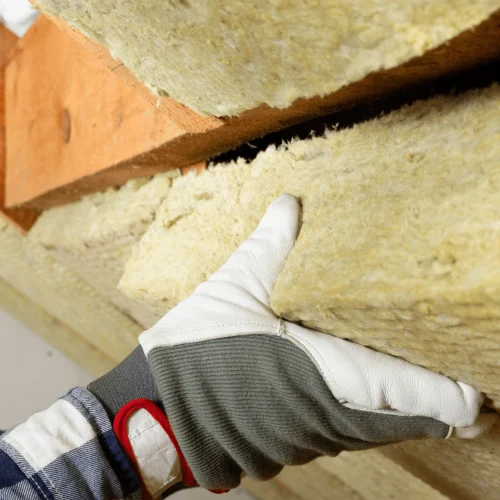
5 Insulation Tips for Energy Efficiency In Seattle’s climate, proper insulation for energy efficiency is crucial. Not only does it...

5 Smart Home Technology Upgrades During Remodeling Remodel time is the perfect moment to hard-wire the brains of a smart...

8 Benefits of Hiring a Local Seattle Contractor Local Seattle contractor advantages go beyond convenience they directly impact permit speed,...

5 Questions to Ask Before Hiring a Contractor Smart Homeowners Start Here Hiring a contractor isn’t just about the lowest...
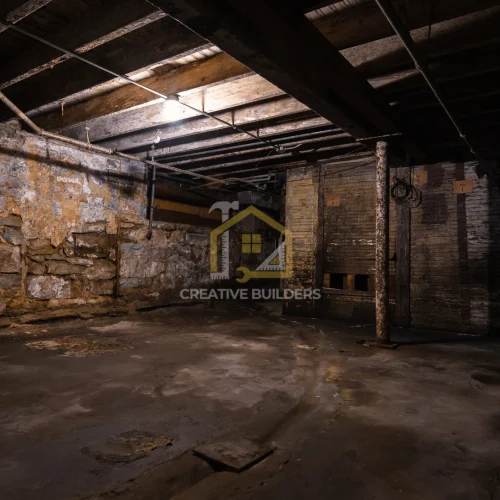
5 Must-Know Pros & Cons of Basement Remodeling Pros & Cons of Basement Remodeling: If you’ve got unused square footage...
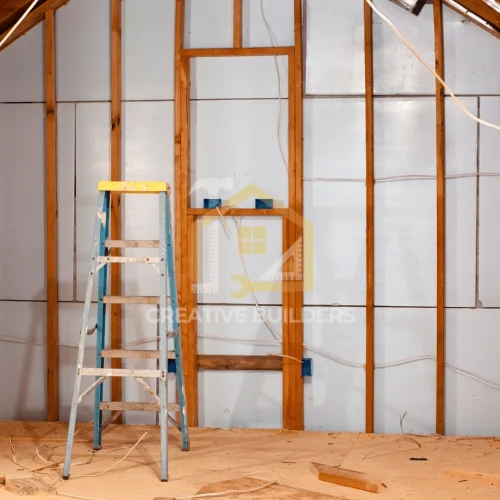
5 Essential Steps for Planning a Guest Suite Addition Zoning, Permits & Utilities: The Seattle Checklist Planning a Guest Suite...
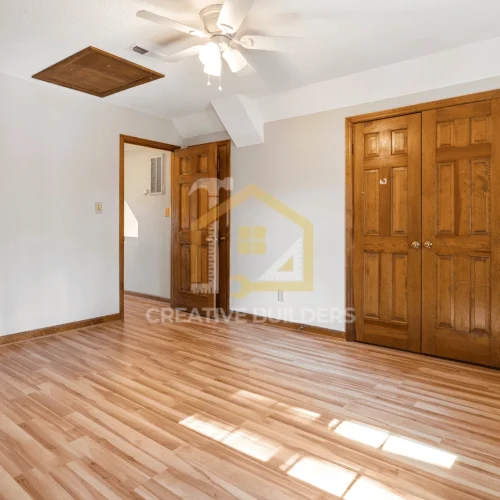
Carpet vs Wood Flooring for Bedrooms Carpet vs. Wood: Which Bedroom Flooring Fits Your Lifestyle? Choosing between wood flooring for...

