
Creating a Home Office: 5 Remodeling Tips for Remote Workers
Weatherproof Your Home in Seattle
Creating a Home Office is more than placing a desk in a spare corner—it’s designing a space that supports focus, comfort, and daily productivity. We’ll help you plan a dedicated work zone with the right layout, ergonomics, lighting, and sound control, whether you’re converting a guest room, carving out a niche in the living area, or finishing a garage/attic. From power and data runs to built-ins and storage that hide clutter, this guide shows how to align your workspace with your tasks, schedule, and tech needs. Remote work thrives when the room works for you—let’s create a home office that looks polished and performs like a pro.
1) Plan the Space & Infrastructure (layout, power, data)
When Creating a Home Office, start with a dedicated zone and a clear floor plan. In Home Office Remodeling Seattle projects, the winners are the rooms that feel intentional—wired, quiet, and clutter-free.
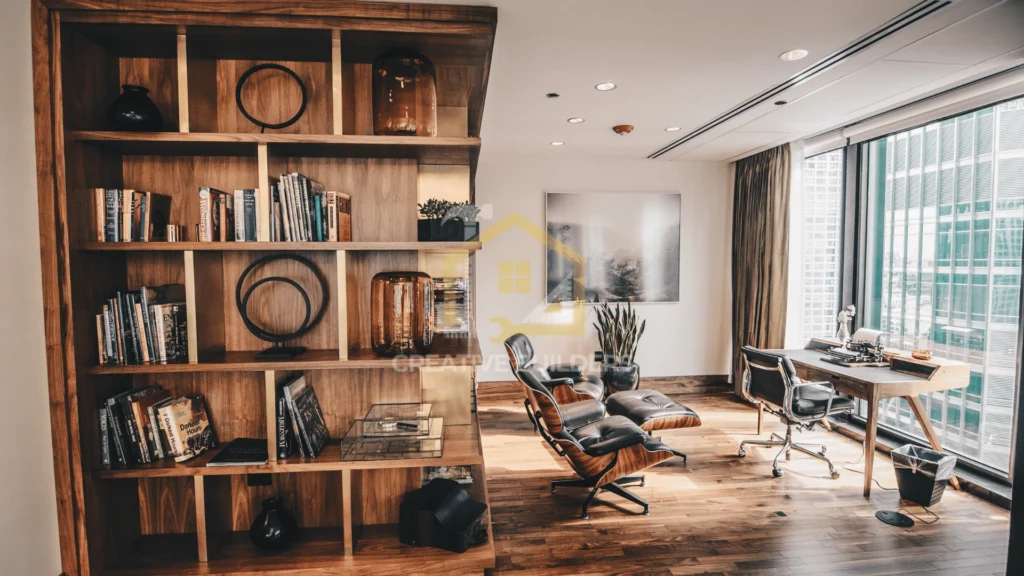
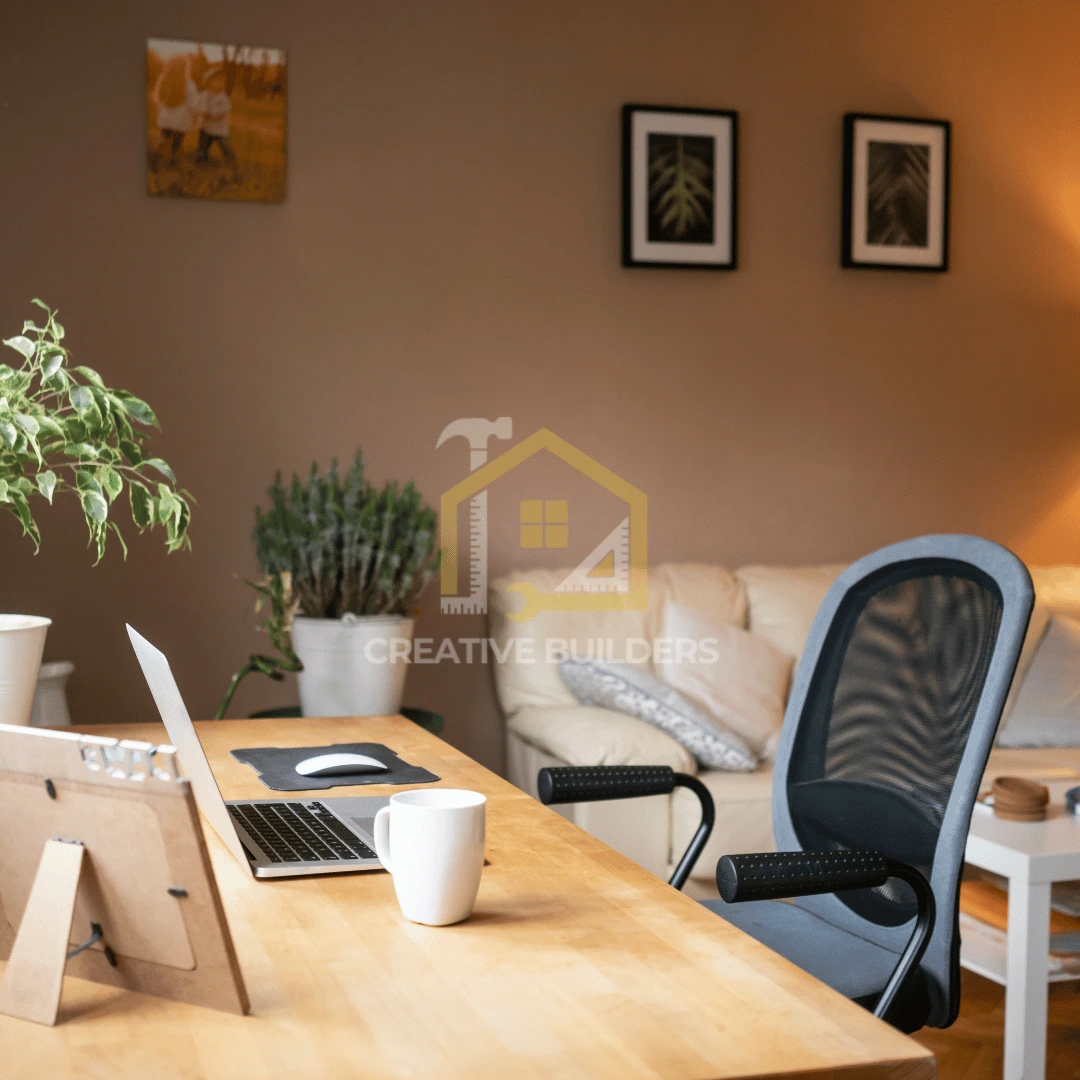
Layout: Place the desk so the camera faces a clean background and daylight is beside (not behind) you to avoid glare. Reserve a wall for shelving or built-ins.
Power & data: Add quadrants of outlets, a dedicated circuit if you run multiple monitors/chargers, and hard-wired ethernet for stable calls.
Storage: Use base cabinets + upper shelves to hide printers, cables, and supplies; include a small closet or credenza for overflow.
Acoustics: Soft surfaces (rug, cork underlayment, fabric panels) reduce echo and lay the groundwork for a future Soundproof Home Office upgrade.
3) Dial in Comfort with Ergonomic Home Office Setup & Home Office Lighting
Posture + light = all-day productivity when Creating a Home Office.
Ergonomics: Keep forearms ~parallel to the floor with elbows ~90–120°, feet supported, and the top of the monitor at or slightly below eye level (screen ~arm’s length). These neutral positions cut neck/shoulder strain during long calls. Seguridad y Salud Ocupacional+2Seguridad y Salud Ocupacional+2
Layered light: Combine ambient (ceiling/wall), task (desk), and a soft backlight for video. Aim around 300–500 lux at the work surface and use neutral-white LEDs (~3500–4000K) for crisp text and accurate color. relightdepot.com+1
Glare control: Place screens perpendicular to windows; add shades/dimmers to fine-tune scenes through Seattle’s changing daylight.
One solid reference:
OSHA Computer Workstations eTool (neutral postures and monitor positioning). Seguridad y Salud Ocupacional
3) Control Noise & Distraction (doors, walls, floors)
A quiet room is non-negotiable for a Soundproof Home Office. Target the biggest leaks first.
Doors: Swap hollow-core for solid-core; add perimeter weatherstripping and a drop seal at the threshold.
Walls/Ceiling: Dense insulation (mineral wool), sealed outlets, and—if needed—resilient channel + ⅝” drywall to reduce sound transfer.
Floors: Area rugs over cork or rubber underlayment tame footfall and echo; felt pads under furniture stop vibrations.
Inside the room: Bookshelves, fabric panels, and curtains act as diffusion/absorption without looking “studio.”
Seattle tip: In Home Office Remodeling Seattle, street and rain noise are common—plan white-noise masking or a quiet ERV for steady background hush.
4. Build In Storage, Power & Tech (clean + cable-free)
Clutter kills focus—plan storage and power as part of Home Office Remodeling Seattle.
Built-ins that breathe: Hide printers/routers in base cabinets with vent slots; use upper shelves for binders and a shallow credenza for daily gear.
Cable discipline: Desk grommets + raceways + a mounted power strip keep wires off the floor; add a sit-stand surface and arm-mounted display to sharpen your Ergonomic Home Office Setup.
Power layout: Follow the residential rule of thumb that no point along a wall is more than 6 ft from a receptacle—then add a few extras where you dock laptops/chargers to avoid power strips everywhere. Magnify Electric
Always-ready video: Park a mic arm and compact key/fill lights so your Home Office Lighting is one switch away for meetings.
One helpful guide: NEC outlet spacing overview (plain-English summary of the 6-ft receptacle rule). McCarrick Electric
5) Finish for Health, Light & Longevity (comfort that lasts)
Materials and air quality matter when you’re in the space all day.
Air & thermal comfort: Seal gaps, add balanced ventilation, and keep temps steady (space heater ≠ strategy).
Low-VOC finishes: Choose low-odor paint, laminates, and sealants to reduce headaches and fatigue.
Layered mood: Extend your Home Office Lighting with dimmable ambient + task + background glow for long winter days; aim for ~3500–4000K neutral white.
Backdrop & brand: Curate a clean wall (art, shelf, plant) behind your camera—professional on calls, calming off-camera.
Maintenance: Durable floors (luxury vinyl, engineered wood) and wipeable surfaces keep the office looking sharp with minimal effort.
Nail these three and you’ll have a quiet, organized, healthy workspace—exactly what Creating a Home Office should deliver.
Choose Creative Builders to Transform Your Home
By following this checklist, you’ll address the four most important areas of weatherproofing:
Roof & Gutters
Siding, Windows & Doors
Foundation & Drainage
Interior Comfort
Take a weekend to complete these steps, and you’ll enjoy Seattle’s rainy season with peace of mind, knowing your home is protected.
💡 What’s your favorite trick to stay cozy during the “big dark”? Share it in the comments—we’d love to hear from fellow Seattle homeowners.
Want to Get Started?
Reach out to Creative Builders to schedule a free consultation. We’d be happy to customize trend-focused design ideas or provide cost estimates for your project goals.
Let’s Work On Your Dream Project
Contact Creative Builders today for a free consultation!
Our Blog
- All
- Bathroom Remodel
- Bedroom Remodeling
- DIY vs Contractor
- Fire Place Remodel
- Flooring Contractor
- Flooring Remodel
- General Contractor
- Home Office Remodel
- Home Remodel
- Home Remodeling
- Home Weatherproof
- Insulation Efficiency
- Kitchen Cabinetry
- Kitchen Remodel
- Kitchen Remodeling
- Mistakes to Avoid
- Neighborhoods in Seattle
- Outdoor Remodel
- Pergola Installation
- Pros & Cons
- Remodeling Articles
- Remodeling Contractor
- Remodeling TIps
- Room Addition
- Small Bathroom Remodel
- Suite Addition
- Washington Remodel
- Winter Proof Home
- Wood Flooring

DIY vs Hiring a Remodeling Contractor Thinking through DIY vs hiring a remodeling contractor isn’t just about labor costs. It’s...

5 Low-VOC Paints: Why They Matter Choosing Low-VOC paints is one of the fastest, highest-impact ways to improve indoor air...
5 Insulation Tips for Energy Efficiency In Seattle’s climate, proper insulation for energy efficiency is crucial. Not only does it...

5 Smart Home Technology Upgrades During Remodeling Remodel time is the perfect moment to hard-wire the brains of a smart...

8 Benefits of Hiring a Local Seattle Contractor Local Seattle contractor advantages go beyond convenience they directly impact permit speed,...

5 Questions to Ask Before Hiring a Contractor Smart Homeowners Start Here Hiring a contractor isn’t just about the lowest...
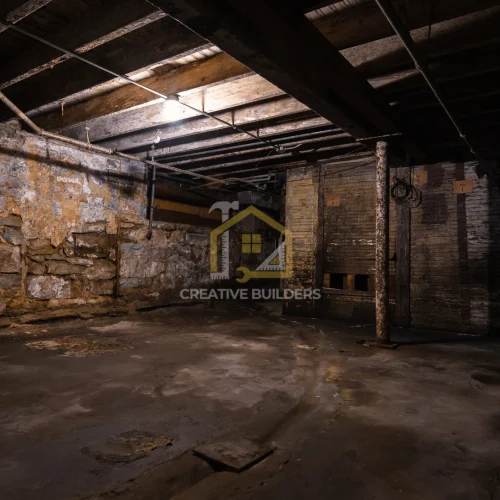
5 Must-Know Pros & Cons of Basement Remodeling Pros & Cons of Basement Remodeling: If you’ve got unused square footage...
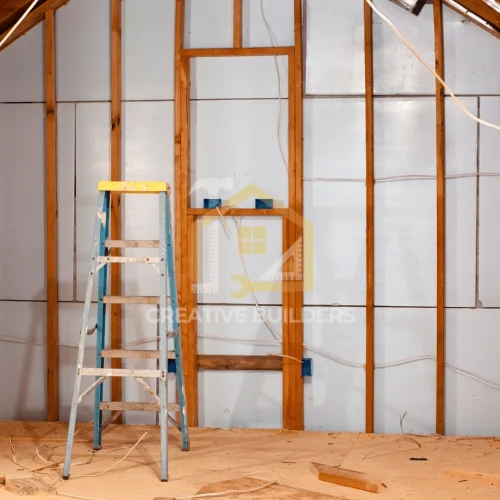
5 Essential Steps for Planning a Guest Suite Addition Zoning, Permits & Utilities: The Seattle Checklist Planning a Guest Suite...
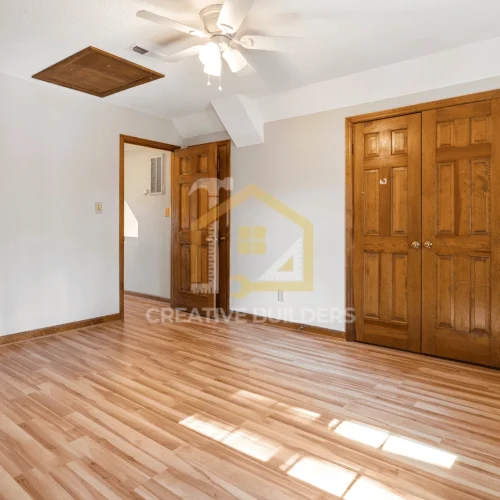
Carpet vs Wood Flooring for Bedrooms Carpet vs. Wood: Which Bedroom Flooring Fits Your Lifestyle? Choosing between wood flooring for...

