

Low-VOC Paints Why They Matter

5 Low-VOC Paints: Why They Matter

Choosing Low-VOC paints is one of the fastest, highest-impact ways to improve indoor air quality during a remodel. VOCs (volatile organic compounds) off-gas from many coatings long after the paint dries, contributing to headaches, irritation, and poor IAQ—especially in tightly sealed, energy-efficient homes. Opting for Zero-VOC paint, checking VOC content limits, and selecting products with third-party certifications like GREENGUARD Gold or that meet LEED low-emitting materials requirements can cut emissions, reduce odors, and make spaces safer for kids, allergy-sensitive occupants, and pets.
1) What “Low-VOC” Really Means

“Low-VOC” refers to paints formulated with fewer grams of VOCs per liter compared with conventional coatings. Regulations and standards set category-specific VOC content limits, and indoor air programs evaluate VOC emissions after application. Practically, that means fewer harsh odors on day one and lower off-gassing over time. Be aware: tinting bases and deep colors can add VOCs, and “zero-VOC” labels can still include trace amounts or other additives—so emissions testing and certifications matter.

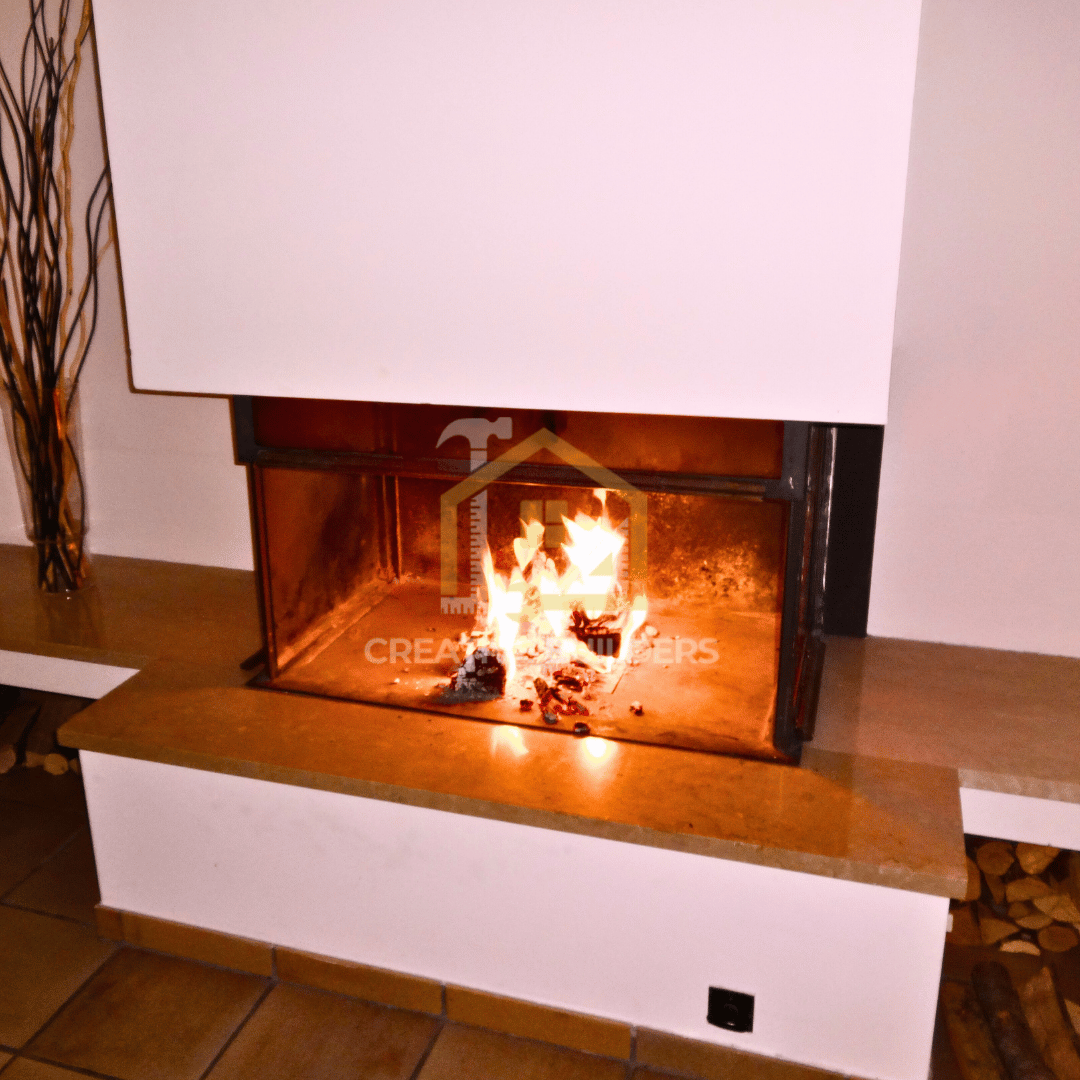
Fireplace-Remodeling-Ideas-for-a-Cozy-Seattle-Home_1_
2) Health & Comfort Benefits You’ll Notice

Lower emissions reduce common short-term reactions (eye, nose, throat irritation; headaches; dizziness) and help protect sensitive groups like kids, older adults, and people with asthma or allergies. Less odor means you can occupy rooms sooner after painting, and better IAQ supports productivity in home offices and restful sleep in bedrooms. In multi-room projects, stacking Low-VOC paints with adequate ventilation compounds the comfort gains.

Why it matters:

If you often lose power, choose a gas insert with millivolt ignition so the flame still runs without electricity.

3) Certifications That Actually Mean Something

Look for third-party labels that verify low chemical emissions rather than marketing claims. GREENGUARD Gold is widely recognized for stringent limits on total VOCs and specific chemicals in sensitive settings (schools, healthcare). For whole-project performance, LEED low-emitting materials credits require both VOC content compliance and emissions evaluations. These programs help you compare apples-to-apples across brands and sheen levels, not just “green” buzzwords.

Choose the Right General Contractor for Your Project
4) Performance: Durability, Washability & Color

Modern Low-VOC paints have caught up on coverage, scrub resistance, and stain tolerance. If you’re painting kitchens, baths, or high-touch trim, pair the right sheen with a durable resin system: eggshell/satin for walls you’ll wipe often, semi-gloss for trim and doors. For truer color with minimal added VOCs, choose factory-tinted lines or low-VOC colorant systems. Always check the product data sheet for recommended primers and recoat windows to avoid adhesion issues.

5) Spec Like a Pro: What to Ask & What to Verify

  • VOC content (g/L) by category (flat, non-flat, primers).

  • Emissions certification (e.g., GREENGUARD Gold) and test method.

  • LEED low-emitting materials applicability for mixed product sets (primers, sealers, topcoats).

  • Tint system VOCs and whether deep bases affect emissions.

  • Application plan: ventilation, dry times, and temperature/humidity ranges to minimize off-gassing.

Conclusion: Healthier Remodels Start with Low-VOC Paints

Choosing Low-VOC paints—and verifying labels with credible standards like GREENGUARD Gold and LEED low-emitting materials—delivers cleaner indoor air, faster re-occupancy, and pro-level finishes without heavy odors. Specify products with clear VOC content limits, confirm low-emission colorants, and ventilate well during curing. Do this, and your project looks sharp, feels better to live in, and aligns with modern health-focused remodeling.

FAQ — Low-VOC Paints: What Homeowners Ask

Q: Are Low-VOC paints really odorless?
A: Not always. They have significantly reduced fumes compared to conventional coatings, but you may notice a mild scent while drying. Good ventilation speeds off-gassing and helps rooms re-occupy faster.

Q: Is “Zero-VOC paint” completely free of VOCs?
A: “Zero-VOC” typically means negligible VOCs in the base paint. Tinting and certain additives can introduce small amounts, so check product data and colorant systems if ultra-low emissions are critical.

Q: Which matters more—VOC content or emissions?
A: Both. VOC content limits control what’s in the can; emissions show what actually off-gasses in your home. Look for third-party emission certifications like GREENGUARD Gold for a clearer picture of real-world indoor air quality.

Q: Can Low-VOC paints still meet performance needs in kitchens and baths?
A: Yes. Modern Low-VOC and Zero-VOC paint lines offer excellent scrub resistance and stain performance. Pair the right sheen (eggshell/satin for walls, semi-gloss for trim) with proper primer and cure times.

Want to Get Started?

Reach out to Creative Builders to schedule a free consultation. We’d be happy to customize trend-focused design ideas or provide cost estimates for your project goals.

Let’s Work On Your Dream Project

Contact Creative Builders today for a free consultation!

Our Blog

  • All
  • Bathroom Remodel
  • Bedroom Remodeling
  • DIY vs Contractor
  • Fire Place Remodel
  • Flooring Contractor
  • Flooring Remodel
  • General Contractor
  • Home Office Remodel
  • Home Remodel
  • Home Remodeling
  • Home Weatherproof
  • Insulation Efficiency
  • Kitchen Cabinetry
  • Kitchen Remodel
  • Kitchen Remodeling
  • Mistakes to Avoid
  • Neighborhoods in Seattle
  • Outdoor Remodel
  • Pergola Installation
  • Pros & Cons
  • Remodeling Articles
  • Remodeling Contractor
  • Remodeling TIps
  • Room Addition
  • Small Bathroom Remodel
  • Suite Addition
  • Washington Remodel
  • Winter Proof Home
  • Wood Flooring
Load More

End of Content.

Leave a Comment

Your email address will not be published. Required fields are marked *

Scroll to Top