
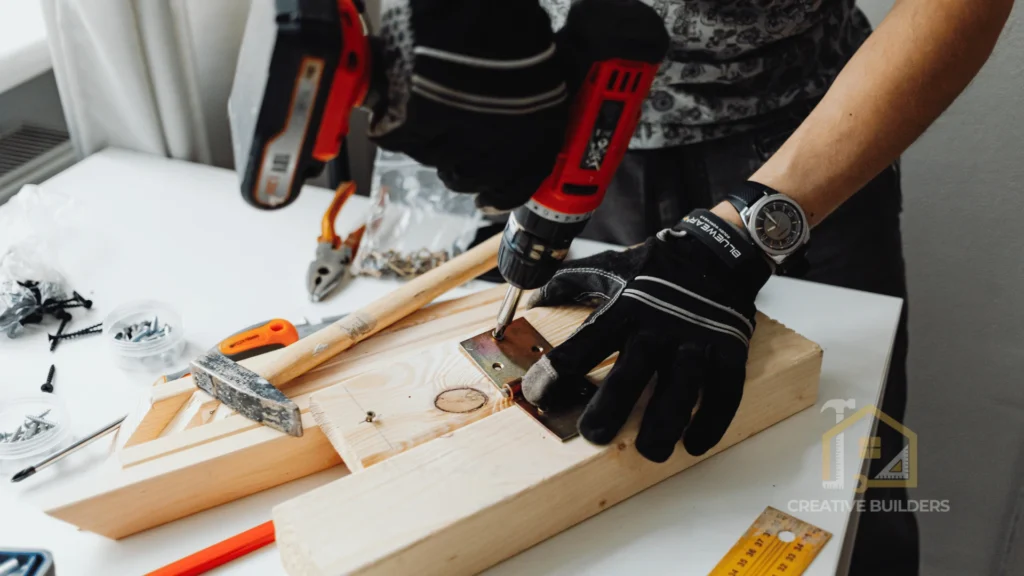
DIY vs Hiring a Remodeling Contractor
DIY vs Hiring a Remodeling Contractor Thinking through DIY vs hiring a remodeling contractor isn’t just about labor costs. It’s permits, inspections, safety, schedule risk, finish quality, and warranty. In Seattle, code, weather, and older housing stock can turn “simple” projects into multi-trade puzzles. Use this guide to decide where DIY wins, when a Seattle general contractor is essential, and how to blend both for best value. 1) Budget Reality: What the Bid Includes (and Your Time Doesn’t) DIY looks cheaper on paper because you don’t bill yourself for project management, mistakes, or rework. A contractor’s price typically bundles: supervision, trade sequencing, insurance, mobilization, and waste handling—plus markup that covers warranty service. If you DIY structural, electrical, or plumbing without the right tools or know-how, small errors can snowball into change orders later.Tip: Compare apples to apples. Create a side-by-side that includes tools, disposal, deliveries, lost weekends, and contingency for mistakes. 2) Permits, Code & Inspections: Pass on the First Try Kitchen/bath remodels, structural changes, window/door reconfigs, and most MEP work usually require permits and inspections in Seattle. Pros know which drawings to submit, how to stage inspections, and how to fix red-tags quickly. DIY can pass, but the learning curve is real—especially for egress, ventilation, fire blocking, and weatherproofing details that the inspector will check.Tip: Before you decide, list every scope line that touches structure or MEP. If 30%+ of the project needs permits, leaning pro often saves time and money. 3) Quality, Warranty & Liability: Who Owns the Risk? Contractors bring repeatable methods, pro tools, and crews that do the same task daily—tile layout, cabinet install, waterproofing, flashing. That consistency shows up in straighter lines, tighter reveals, and dry showers years later. You also get a contractor warranty and recourse if something fails. DIY = you’re the installer and the warranty department.Tip: Ask any contractor for written workmanship warranty terms and what’s covered after turnover (touch-ups, caulk splits, door adjustments). Get A Free Quote 4) Schedule & Stress: Managing Trades Like a Pro Even small remodels require sequencing: demo → rough-ins → inspections → close-up → finishes. If a tile delivery slips or an inspection gets rescheduled, the whole plan shifts. A Seattle general contractor buffers that with backup subs and material alternates. DIYers can do it—but expect longer timelines, more trips to the store, and extra days off work.Tip: If you value speed, assign a dollar figure to each week your kitchen/bath is offline. Time has a cost—use it in your comparison. 5) Where DIY Wins (and the Smart Hybrid Approach) DIY shines on low-risk scopes: painting with low-VOC products, simple trim, hardware swaps, basic landscaping, shelving, and cosmetic upgrades. Pros should handle anything structural or wet: framing changes, exterior envelope, roofing, waterproofing, tile showers, electrical panels, gas lines, ventilation, and window flashing. A hybrid approach—contractor for core work, you for finish paint and hardware—often delivers the best ROI.Tip: Decide “pro vs DIY” by failure cost. If a mistake could cause leaks, shocks, mold, or structural damage, hire it out. Choose By Risk, Not Just Rate The smartest answer to DIY vs hiring a remodeling contractor is rarely all-or-nothing. Use DIY for low-risk tasks you enjoy; hire a licensed Seattle general contractor for permitted scopes, waterproofing, structure, and anything that demands warranty and speed. That mix keeps budgets honest, timelines predictable, and finishes pro-level so your remodel looks great on day one and year five. Frecuent FAQ’s Q: When is DIY actually the better choice?A: Low-risk, cosmetic work: painting (preferably low-VOC), hardware swaps, shelving, simple trim, backsplash in a dry area. Anything structural, waterproofing, electrical, gas, or window flashing—hire a Seattle general contractor. Q: How do DIY and contractor costs really compare?A: DIY saves labor but adds tools, rework risk, disposal, and longer timelines. A contractor’s bid includes project management, insured labor, sequencing, and warranty. Price both ways and add a contingency (10–15%) for surprises. Q: Do I need permits—and who pulls them?A: Structural changes, most electrical/plumbing/mechanical, window/door reconfigs, and kitchen/bath remodels typically need permits. The contractor should pull them, meet inspectors, and close permits; DIY means you take on that admin. Q: What’s a smart hybrid approach?A: Hire pros for design, permits, rough-ins, waterproofing, and critical finishes (tile showers, cabinetry). You handle painting, knobs, mirrors, and cleanup. You get pro speed and warranty where it counts—and still save on labor. Reach out to Creative Builders to schedule a free consultation. We’d be happy to customize trend-focused design ideas or provide cost estimates for your project goals. Want to Get Started? Let’s Work On Your Dream Project Contact Creative Builders today for a free consultation! Get A Free Quote Our Blog All Bathroom Remodel Bedroom Remodeling DIY vs Contractor Fire Place Remodel Flooring Contractor Flooring Remodel General Contractor Home Office Remodel Home Remodel Home Remodeling Home Weatherproof Insulation Efficiency Kitchen Cabinetry Kitchen Remodel Kitchen Remodeling Mistakes to Avoid Neighborhoods in Seattle Outdoor Remodel Pergola Installation Pros & Cons Remodeling Articles Remodeling Contractor Remodeling TIps Room Addition Small Bathroom Remodel Suite Addition Washington Remodel Winter Proof Home Wood Flooring DIY vs Hiring a Remodeling Contractor DIY vs Contractor, General Contractor DIY vs Hiring a Remodeling Contractor A great fireplace does more than heat a room—it anchors the living space and… Read Full Story… Insulation Tips for Energy Efficiency Insulation Efficiency 5 Insulation Tips for Energy Efficiency In Seattle’s climate, proper insulation for energy efficiency is crucial. Not only does it… Read Full Story… 5 Low-VOC Paints: Why They Matter Uncategorized 5 Low-VOC Paints: Why They Matter Choosing Low-VOC paints is one of the fastest, highest-impact ways to improve indoor air… Read Full Story… 5 Smart Home Technology Upgrades During Remodeling Uncategorized 5 Smart Home Technology Upgrades During Remodeling Remodel time is the perfect moment to hard-wire the brains of a smart… Read Full Story… 8 Benefits of Hiring a Local Seattle Contractor Uncategorized 8 Benefits of Hiring a Local Seattle Contractor Local Seattle contractor advantages go beyond convenience they directly impact permit speed,… Read Full Story… 5