
5 Insulation Tips for Energy Efficiency
1) Upgrade Your Attic Insulation
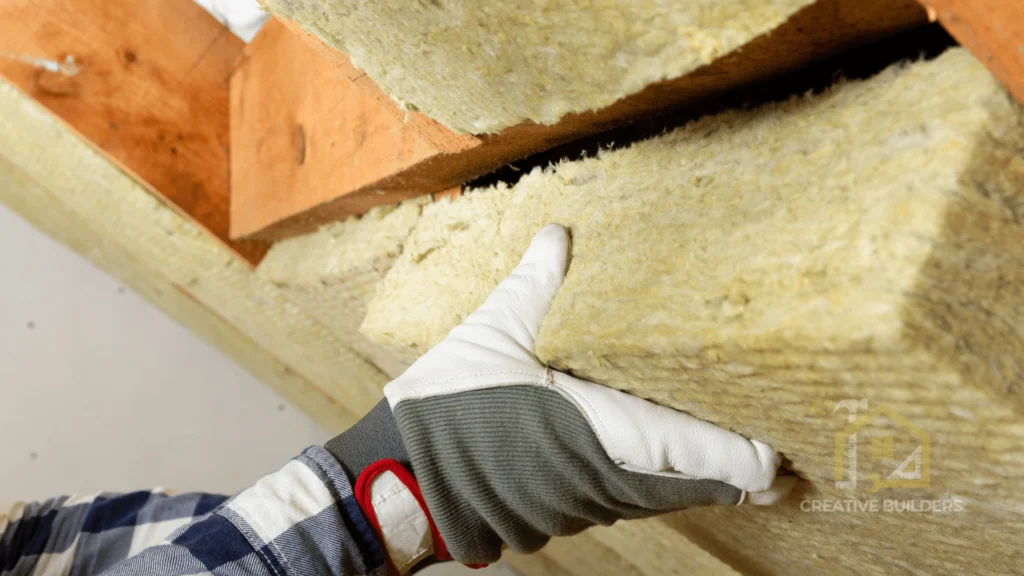
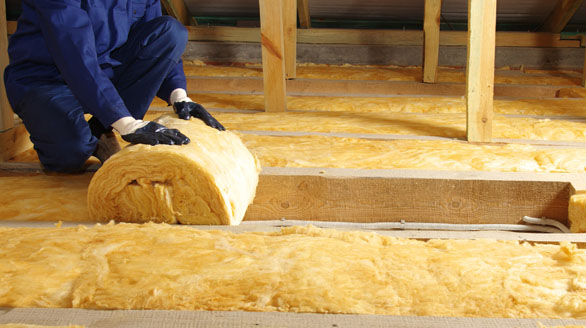
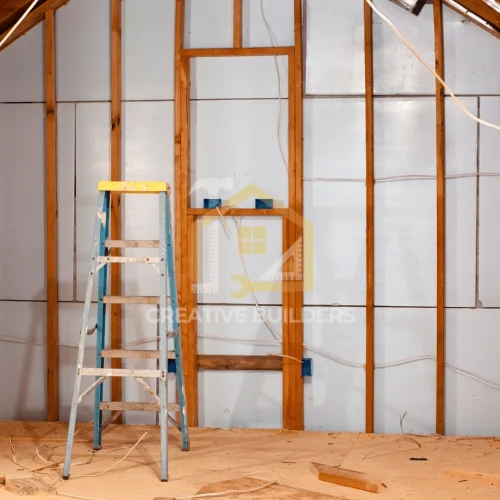
Attic insulation is a game-changer when it comes to energy-efficient insulation. In Seattle, the attic is often the number one place where heat escapes. Adding or upgrading attic insulation can drastically reduce heating costs. Fiberglass batt or blown-in cellulose are great options for maximizing thermal resistance (R-value). Keep in mind that homes built before the 1980s may have inadequate insulation, so it’s worth upgrading if you haven’t already.
Quick Tip: Before installing new insulation, air-seal any gaps, cracks, or leaks in your attic. This ensures that your new insulation performs at its best, blocking any unwanted airflow.
2) Seal Windows and Doors for Maximum Efficiency
Windows and doors are common culprits for energy loss. Even high-quality windows can leak air if they aren’t sealed properly. To improve energy efficiency, consider replacing old, inefficient windows with double-glazed or low-emissivity (Low-E) windows. However, even without a full replacement, sealing gaps around windows and doors using weatherstripping or caulking can prevent drafts and heat loss.
Quick Tip: For an added layer of protection, install insulated door sweeps at the bottom of doors to prevent drafts. This is an easy and cost-effective fix for maximizing your home’s insulation efficiency.
Why it matters:
If you often lose power, choose a gas insert with millivolt ignition so the flame still runs without electricity.
3) Insulate Your Walls and Floors
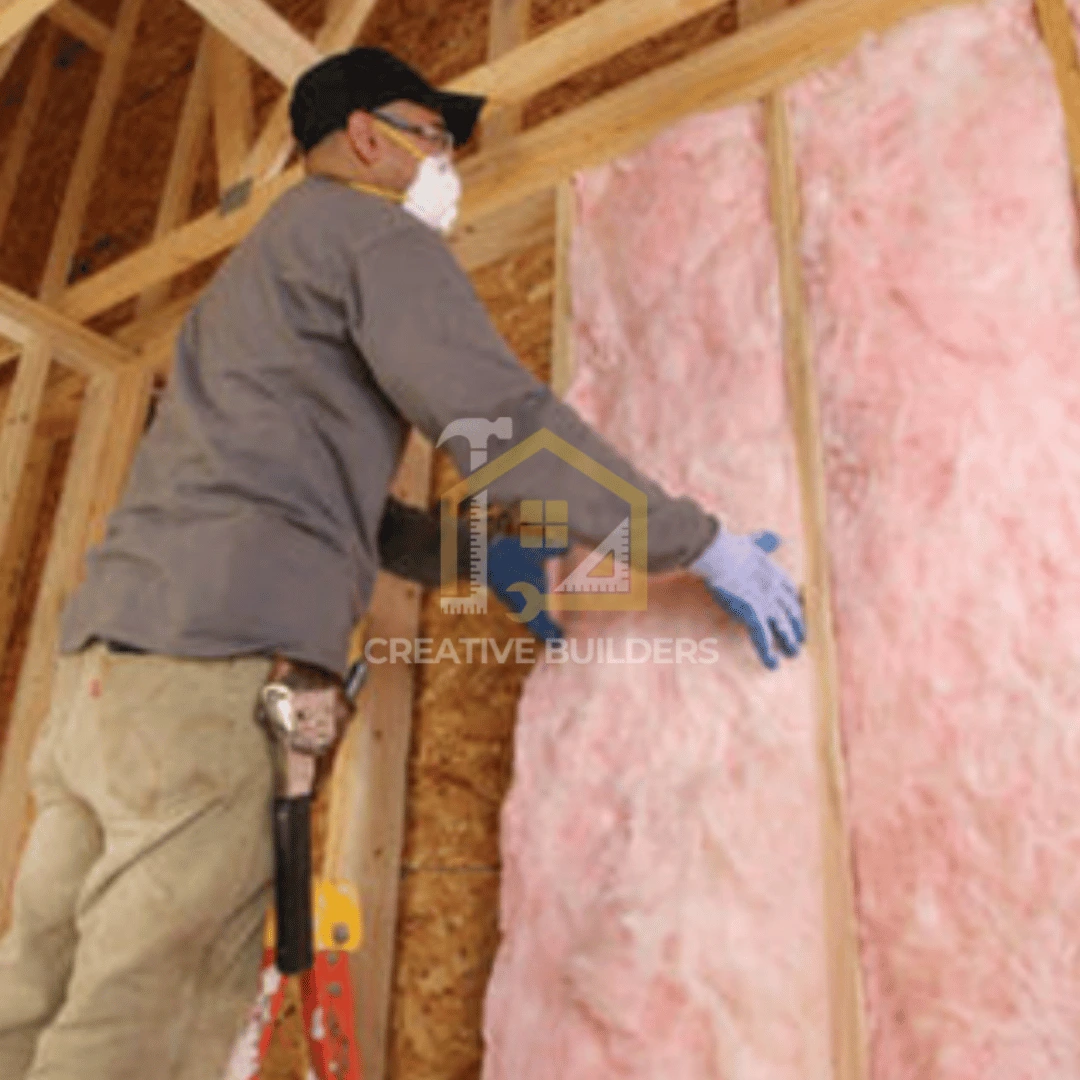
Wall insulation is often overlooked, but it’s just as important as attic insulation when it comes to energy conservation. You can choose from spray foam, cellulose, or fiberglass batt to keep your walls well-insulated. For homes with crawl spaces or slab foundations, adding floor insulation can also prevent heat loss through the floor and reduce your overall heating bill. Make sure to also check your exterior wall cavities and fill them with high-quality materials that prevent thermal bridging.
Quick Tip: If you live in an older home, have a professional inspect the walls and floors for gaps in insulation or outdated materials that may need replacement.
4) Insulate Your Ductwork for Consistent Temperature Control
Ductwork can be a significant source of energy loss if it’s not properly insulated. Leaky, uninsulated ducts cause warm air to escape, leading to higher energy consumption as your HVAC system works harder to maintain the temperature. Wrapping your ducts with insulation can help prevent energy loss and ensure that air flows efficiently throughout your home. Be sure to inspect your ducts for leaks and seal them before adding insulation.
Why it matters: Properly insulated ducts prevent heat loss, saving energy and keeping your home more comfortable year-round.
5) Opt for Insulated Roofing Options
If you’re remodeling your roof, consider insulated roofing as part of your home’s energy-efficient upgrade. Many roofing systems now offer insulated roof panels or “cool roofing” options, which reduce heat absorption and improve thermal performance. This is especially helpful in Seattle, where heavy rainfall and cooler temperatures mean you want your roof to keep your home as warm and dry as possible.
Quick Tip: When installing new roofing, choose materials that provide a higher R-value and are reflective to minimize heat gain. It’s a long-term investment in both energy efficiency and roof longevity.
Choose Creative Builders for Home Insulation
By integrating these insulation tips for energy efficiency into your remodel, you’ll not only improve your home’s comfort but also see a return on investment through reduced energy bills. Proper insulation and energy-efficient materials play a huge role in home performance, and the long-term savings are worth the upfront investment.
FAQ's
Q: How much can I save by improving my home’s insulation?
A: Homeowners can expect savings of up to 20% on heating and cooling costs by upgrading their insulation. The more areas you upgrade (attic, walls, floors), the higher the savings.
Q: Do I need to insulate my entire house?
A: While it’s best to insulate the whole house, prioritizing high-traffic areas like the attic, walls, and ducts will have the most immediate impact on energy savings.
Q: Is spray foam insulation worth the investment?
A: Yes, spray foam insulation offers high R-values and air sealing capabilities, making it one of the best options for reducing energy loss, especially in hard-to-reach areas.
Q: Can I install insulation myself, or should I hire a pro?
A: Simple tasks like weatherstripping or adding batt insulation can be DIY projects, but spray foam or complex installations should be handled by a professional for optimal results.
Want to Get Started?
Reach out to Creative Builders to schedule a free consultation. We’d be happy to customize trend-focused design ideas or provide cost estimates for your project goals.
Let’s Work On Your Dream Project
Contact Creative Builders today for a free consultation!
Our Blog
- All
- Bathroom Remodel
- Bedroom Remodeling
- DIY vs Contractor
- Fire Place Remodel
- Flooring Contractor
- Flooring Remodel
- General Contractor
- Home Office Remodel
- Home Remodel
- Home Remodeling
- Home Weatherproof
- Insulation Efficiency
- Kitchen Cabinetry
- Kitchen Remodel
- Kitchen Remodeling
- Mistakes to Avoid
- Neighborhoods in Seattle
- Outdoor Remodel
- Pergola Installation
- Pros & Cons
- Remodeling Articles
- Remodeling Contractor
- Remodeling TIps
- Room Addition
- Small Bathroom Remodel
- Suite Addition
- Washington Remodel
- Winter Proof Home
- Wood Flooring
DIY vs Hiring a Remodeling Contractor Thinking through DIY vs hiring a remodeling contractor isn’t just about labor costs. It’s...
5 Low-VOC Paints: Why They Matter Choosing Low-VOC paints is one of the fastest, highest-impact ways to improve indoor air...
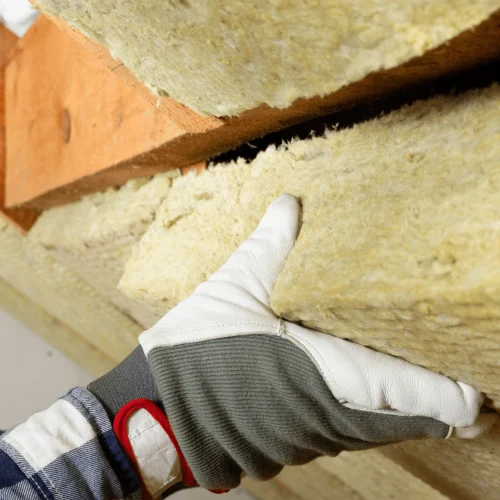
5 Insulation Tips for Energy Efficiency In Seattle’s climate, proper insulation for energy efficiency is crucial. Not only does it...

5 Smart Home Technology Upgrades During Remodeling Remodel time is the perfect moment to hard-wire the brains of a smart...

8 Benefits of Hiring a Local Seattle Contractor Local Seattle contractor advantages go beyond convenience they directly impact permit speed,...
5 Questions to Ask Before Hiring a Contractor Smart Homeowners Start Here Hiring a contractor isn’t just about the lowest...
5 Must-Know Pros & Cons of Basement Remodeling Pros & Cons of Basement Remodeling: If you’ve got unused square footage...
5 Essential Steps for Planning a Guest Suite Addition Zoning, Permits & Utilities: The Seattle Checklist Planning a Guest Suite...
Carpet vs Wood Flooring for Bedrooms Carpet vs. Wood: Which Bedroom Flooring Fits Your Lifestyle? Choosing between wood flooring for...

